
India boasts over a hundred national parks, but only a few strike a balance between accessibility, biodiversity, and visibility that appeals to serious photographers. These are the parks that shape the best wildlife tours India can offer, a mix of terrain, climate, and consistent animal movement that turns waiting into results.
Photography safaris need more than a jeep and a camera. They need the right month, the right guide, and the right forest behaviour. October safari tours mark the start of that cycle, when the rain fades, the grass lowers, and the wildlife surfaces again. The parks in this list are chosen for that window – not the hype.
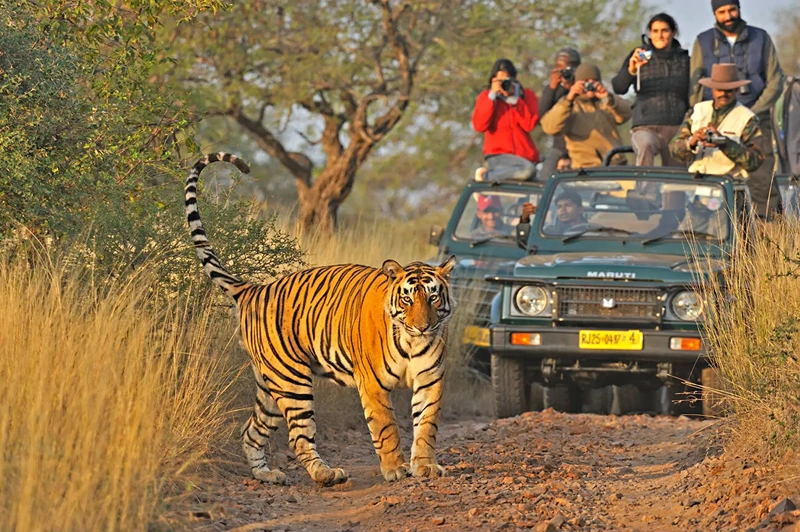
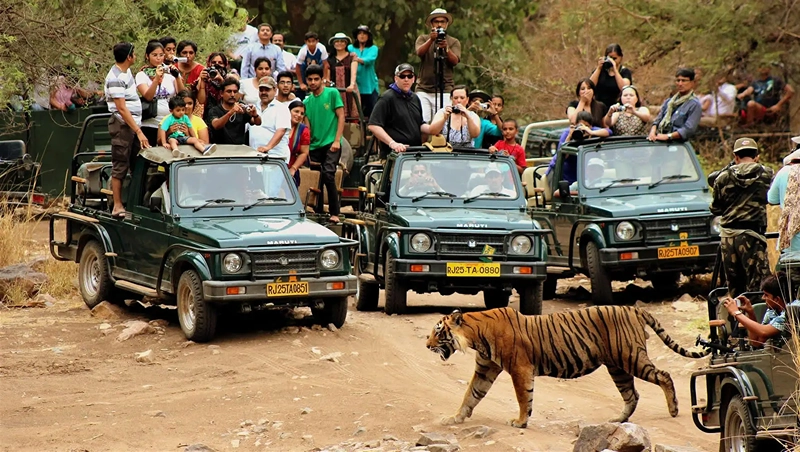
Ranthambore combines ruins, forest, and open water in a way no other park does. The dry landscape and scattered forts give structure to your frames. Tigers here move with confidence; they are used to vehicles but not cornered by them.
For photographers, this means better chances at clean, unhurried shots. Early light across Rajbagh Lake or Padam Talab turns the water reflective and soft. Monsoon ends by September, so October safari tours open with sharp visibility and cooler air.
Avoid the core zones at noon. Light goes harsh, and animal movement drops. The best drives start before sunrise or late in the afternoon, when shadows stretch across the ruins.
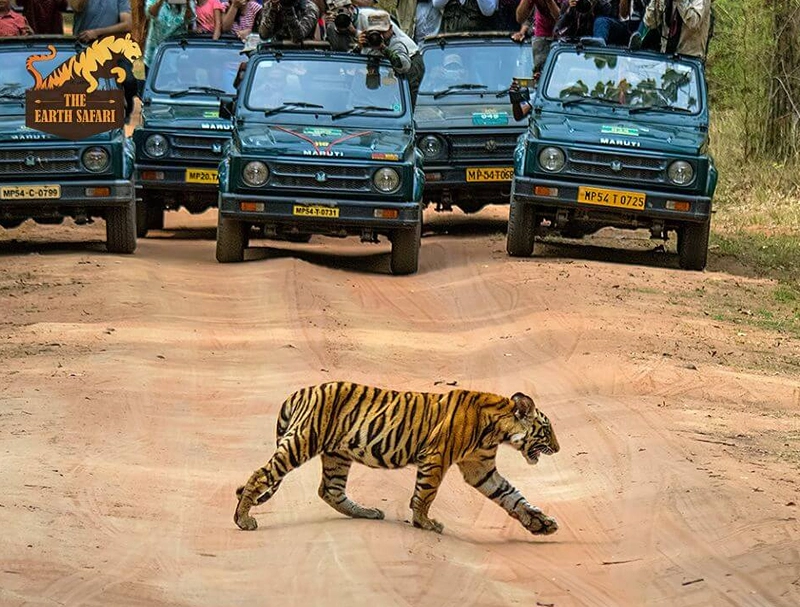
Bandhavgarh feels smaller but more personal. The forest is dense, the paths narrow, and every sound matters. It has one of India’s highest tiger densities, which makes it ideal for focused photography safaris.
Morning safaris bring fog through the sal trees. The dust that follows jeeps catches that fog and turns to golden haze—perfect for backlit frames. Carry a lens with reach; distances can trick you here.
October to March gives the best range of colour. Post-monsoon greens stay fresh, and the forest still holds moisture.
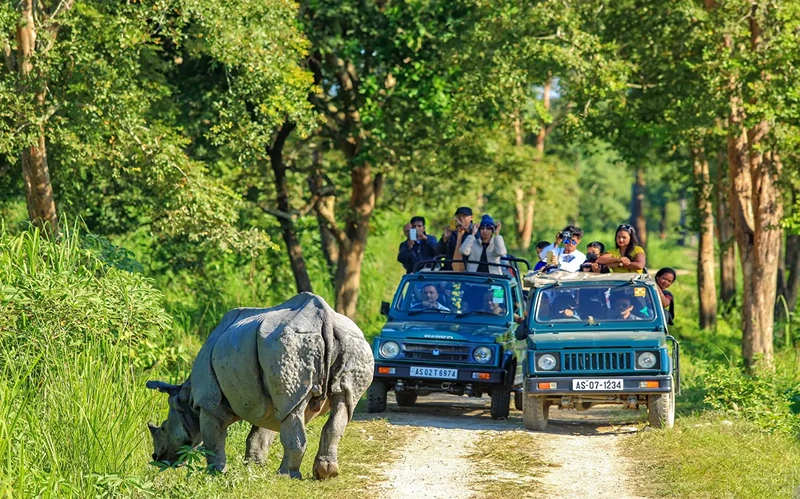
Kaziranga’s strength is space. Tall grass, floodplains, and long sightlines give every frame scale. The one-horned rhino dominates most photographs here, but patient photographers find depth in elephants crossing water or bar-headed geese rising at dawn.
October is when the park reopens after the rains. The land smells clean, grass is short, and animals stay close to open ground. Light fog hangs above the plains and softens color. For wildlife tours India, this is one of the most rewarding starts to the season.
Shoot from a jeep’s rear seat for lower angles. It adds power to animal form and shows more sky in the background.
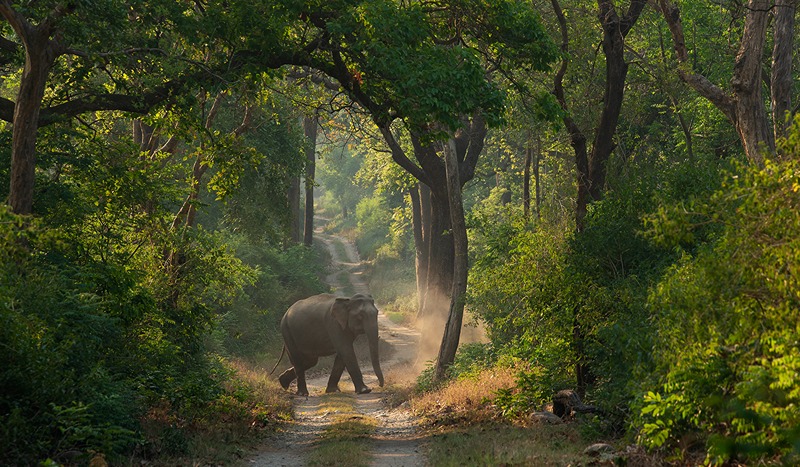
Corbett remains India’s most complete park. Rivers, grasslands, and dense sal forest sit within the same boundary. You can move from wide landscapes to tight animal shots within minutes.
Morning drives near Dhikala give golden light and long views across the Ramganga River. Afternoon drives in Bijrani zone create stronger contrast between forest and shadow.
This variety is what makes Corbett vital for photography safaris. It trains you to shift between styles—portrait, landscape, and movement—in one session.
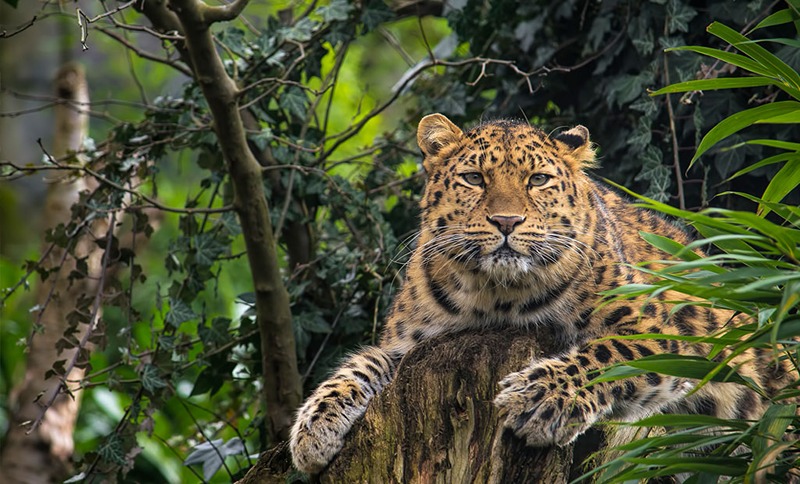
Kabini holds its reputation for a reason. Forest meets water here, and the reflection doubles every subject. Early hours bring fog across the backwaters, and herds often break through it together.
The light is soft but short; plan your exposure before the vehicle starts. October is lean season for visitors and ideal for photographers. Water levels drop, trails open, and cats move more often near the banks.
For many, Kabini defines October safari tours in South India. It combines access with stillness—something most parks lose too soon.
People who travel with Travassa Holidays talk about mornings that don’t feel planned but still unfold perfectly.
We plan your India wildlife safaris around timing, not tourism. We map routes by light, water level, and animal behaviour. Our photography safaris start early, stay longer in the field, and skip zones where noise ruins focus.
October safari tours are our reset point: green forests, clear skies, and animals in motion after the rains.
If you want a trip designed for the lens, not the checklist, call Travassa Holidays. We’ll handle the permits, guides, and timing. You handle the frame.
Q1: What is the best time for wildlife photography tours in India?
The time between October to April is ideal because parks reopen after the monsoon, and the visibility improves, and animal activity also increases.
Q2: Which are the top parks for photography safaris in India?
Ranthambore, Bandhavgarh, Kaziranga, Jim Corbett, and Kabini are the top choices for varied landscapes and strong wildlife sightings.
Q3: Why choose October safari tours?
October brings clean air, green forests, fewer crowds, and great light—perfect for photographers starting the season.
Q4: What should I pack for a photography safari?
Carry two lenses, light clothing, extra batteries, and memory cards. Skip heavy gear that slows movement.
Q5: Does Travassa Holidays offer guided wildlife photography tours?
Yes. Travassa Holidays designs custom wildlife tours India for photographers, with expert guides and timing built around real sightings.