
Winter in India doesn’t belong only to hills and beaches. It belongs to firelit nights, drumbeats that travel across fields, food cooked in the open, and traditions that don’t perform for tourists. The real season lives in festivals that still mean something to the people hosting them.
This is where winter festivals India come alive, not in convention halls, not behind barricades, but in villages, deserts, and open grounds where culture stays physical and loud. Among the many choices, two stand apart every year: Nagaland’s Hornbill Festival and Gujarat’s Rann Utsav.
If you’re planning India winter tourism around experience instead of weather, this is your festival travel guide.
In December, Nagaland slows into itself. Fires stay lit, songs carry through the hills, and villages come together.
The Hornbill Festival is not subtle. It’s a full-bodied celebration of Naga life, held every December near Kohima. Tribes come together in traditional dress, carrying weapons, ornaments, and stories passed down for generations.
This is not a festival you skim through.
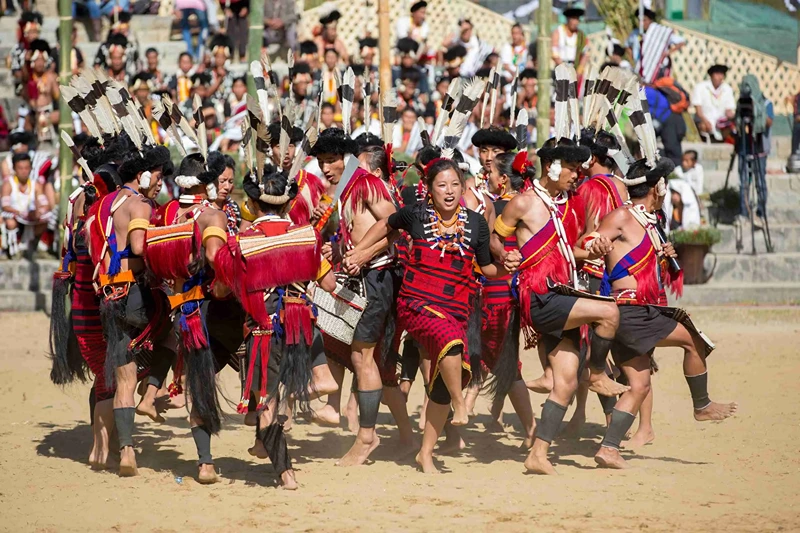
The Hornbill festival works because it’s rooted. Each tribe brings its own language, dance form, and food. There’s no single stage trying to control the mood. You walk from one ground to another and step into different worlds.
This is cultural tourism India at its rawest. No polish. No filters.
For families, this works surprisingly well. Kids see culture in motion, not in textbooks. That’s why Nagaland fits naturally into family cultural trips when planned right.
Winter keeps the air crisp, nights cold, and days bright. It’s the best window for heritage tours in the Northeast, where roads stay open and villages are active.
On the other side of the country, winter paints a different picture.
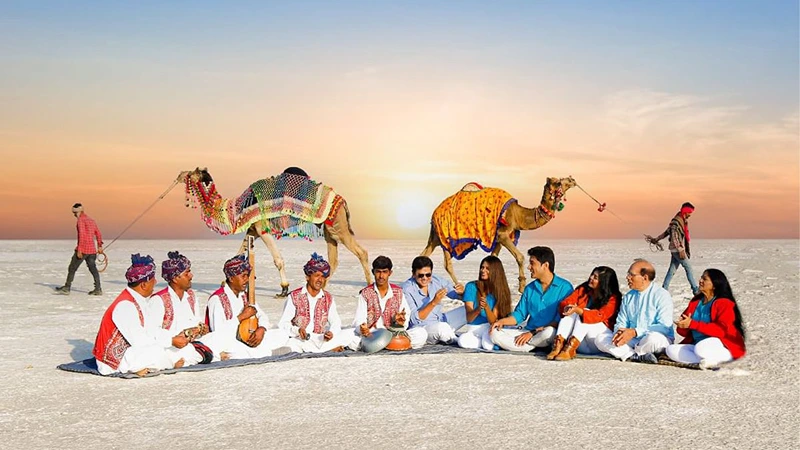
The salt desert of Kutch turns pale under the sun, and the Rann Utsav begins. What looks empty for most of the year suddenly fills with tents, music, craft stalls, and movement.
The Rann Utsav runs through winter and peaks between December and February. This is not just a fair. It’s an open-air cultural spread set against one of India’s strangest landscapes.
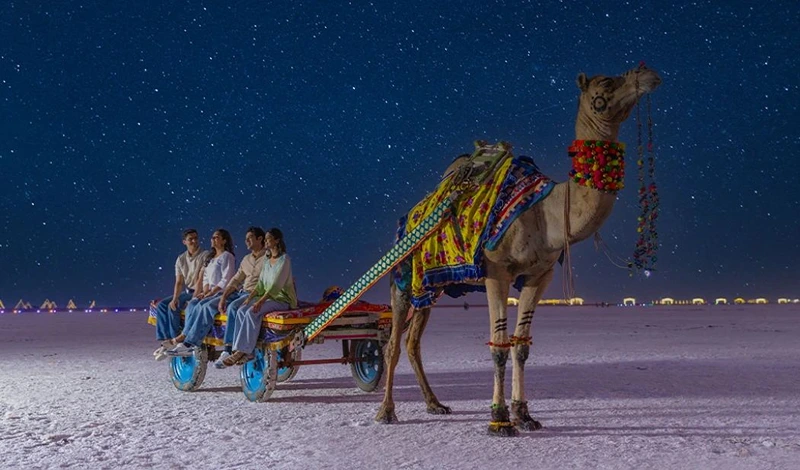
The White Rann creates its own silence. The festival breaks it gently.
Folk music plays late into the night. Artisans sell embroidery that took months to finish. Camel carts move slowly across salt flats that stretch endlessly.
This is India winter tourism at its most visual.
For travellers interested in heritage tours, Gujarat delivers scale. You see how culture adapts to landscape, not the other way around.
Families love Rann Utsav because it balances structure and freedom. Safe stays, open spaces, and enough activity to keep everyone curious make it ideal for family cultural trips.
Both festivals sit under the same winter sky, but they offer different moods.
Nagaland pulls you inward. You listen more than you speak. You sit by fires and watch traditions breathe.
Gujarat opens everything up. You walk long distances. You photograph endlessly. You move from tent to tent, sound to sound.
Both count among the best events India hosts in winter. The right choice depends on how you want to feel at the end of the trip.
If you want intimacy, choose the Hornbill festival.
If you want scale, choose Rann Utsav.
Many seasoned travellers plan one this year and the other the next. That’s how winter festivals India slowly became a tradition of their own.
At Travassa Holidays, we don’t sell festival tickets. We build journeys around timing, access, and comfort.
Our Travassa cultural packages are shaped around how festivals actually work. Entry days, crowd flow, local stays, and travel buffers matter more than glossy schedules.
For the Hornbill festival, we focus on village access, local guides, and days that allow you to stay longer in fewer grounds.
For Rann Utsav, we plan stays around moon phases, desert conditions, and movement patterns that avoid rush hours.
This is cultural tourism India done with respect. No rushing rituals. No skipping context
Winter keeps people grounded. Villages are active. Roads behave. Communities gather instead of dispersing.
That’s why India winter tourism thrives around festivals. Culture doesn’t pause for heat or rain. It opens itself fully during these months.
For anyone building a personal festival travel guide, winter is where it starts.
Winter festivals aren’t add-ons. They are reasons to travel.
Whether it’s the drumbeats of Nagaland or the white silence of Kutch, these journeys stay with you long after the season ends.
Plan your winter festivals India journey with Travassa Holidays.
We handle the access, rhythm, and ground reality.
You show up where culture still lives.
Q. Which are the best winter festivals India offers?
The Hornbill Festival in Nagaland and Rann Utsav in Gujarat are among the most immersive and well-organized.
Q. Is the Hornbill festival suitable for families?
Yes, with the right planning. It offers strong cultural exposure and safe environments for children.
Q. When is the best time to visit Rann Utsav?
December to February gives the best weather and full festival activity.
Q. Do Travassa cultural packages include local experiences?
Yes. All Travassa cultural packages include local guides, regional stays, and time beyond main stages.
Q. Which festival suits first-time cultural travellers?
Rann Utsav feels easier for first-timers. Hornbill suits travellers ready for deeper engagement.